A Week in the Life of a Metro Manila Bettor
Meet Carlo, a 29-year-old call center supervisor from Pasig. He's not a high roller. He deposits ₱1,000 on Monday, plays live baccarat for 20 minutes after his shift, and cashes out by Friday. His routine mirrors what regulators and operators are seeing across the country in 2026: smaller, more frequent sessions, mostly on mobile, with e-wallets doing the heavy lifting.
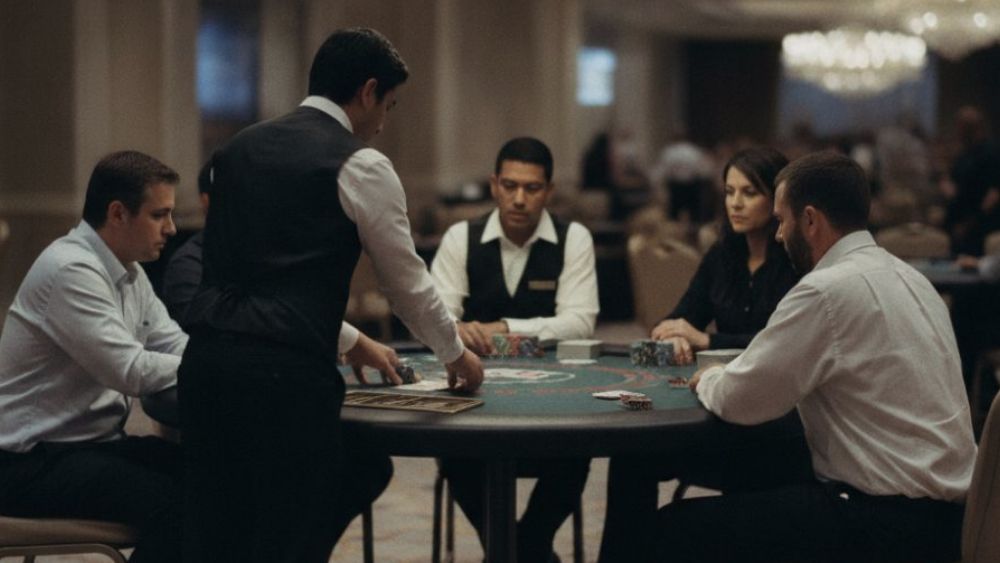
On Monday night, Carlo opens his GCash app, transfers ₱500 to his online casino account, and joins a live dealer table streamed from a studio in Makati. The dealer speaks Tagalog. The minimum bet is ₱50. He plays eight hands, wins three, loses five, and logs off. Total time: 18 minutes.
That short, casual session is the new normal. Industry data from the Philippine Amusement and Gaming Corporation (PAGCOR) shows that online casino revenue grew by double digits in the first half of 2026 compared to the same period last year. But the growth isn't coming from whales. It's coming from people like Carlo — everyday workers who treat online gambling as a small, structured form of entertainment.
"I don't chase losses anymore," Carlo says. "I set a budget before I open the app. Once it's gone, I stop. That's the only rule I follow."
His approach reflects a broader shift in the Philippine market: bettors are getting more disciplined, and platforms are responding with tools that make discipline easier.
E-Wallets Are Still King — But the Way We Use Them Is Changing
If you want to understand online gambling in the Philippines in 2026, start with the e-wallet. GCash and Maya remain the dominant payment channels, but the transaction patterns have shifted.
Three years ago, the typical deposit was ₱2,000 to ₱5,000, made once or twice a week. Today, the average deposit is smaller — often ₱300 to ₱800 — but it happens more often. Operators call this "micro-banking." Bettors call it "loading like prepaid."
Why the change?
- Lower minimums: Many casinos now accept deposits as low as ₱100, which makes it easier to play without overcommitting.
- Faster cashouts: E-wallet withdrawals that used to take 24 hours now often clear in under an hour, especially for verified accounts.
- Budget controls: GCash and Maya both rolled out spending limits and transaction notifications in 2025, and bettors are actually using them.
Carlo sets a weekly limit of ₱1,500 on his GCash account. Once he hits it, the app blocks further transfers to gambling merchants. "It's like having a referee in my pocket," he says.
That kind of self-regulation is becoming a selling point for operators. In 2026, several major Philippine-facing casinos now advertise "responsible gaming tools" on their homepages — deposit limits, session timers, and cool-off periods. It's partly marketing, but it's also a response to tighter scrutiny from PAGCOR and the Department of Finance.
"The bettors who last are the ones who treat it like a budget line, not a lottery ticket." — a customer support lead at a licensed Philippine online casino
Live Dealer Games Dominate, But Slots Are Making a Comeback
Walk into any online casino popular in the Philippines, and you'll see the same top categories: live dealer games, slots, and sports betting. In 2026, live dealer is still the king — but the gap is narrowing.
Live Dealer: The Social Experience
Live baccarat, roulette, and sic bo remain the most played games among Filipino bettors. The appeal is simple: it feels like a real casino, but you can play in your pajamas. Streams from studios in Manila, Cebu, and even abroad offer Tagalog-speaking dealers, which builds trust and familiarity.
Carlo plays live baccarat almost exclusively. "I like seeing the cards flip in real time," he says. "Slots feel like a black box. With live dealer, I can at least pretend I have a system."
Slots: Faster, Cheaper, More Mobile
Slot games are quietly gaining ground, especially among younger bettors. The reason: lower minimum bets (as low as ₱1 per spin) and shorter session times. A player can spin for five minutes, win or lose ₱50, and move on.
Game providers have noticed. In 2026, several major studios released slots with Filipino themes — jeepneys, sari-sari stores, and fiesta motifs — hoping to connect with local players. It's a small but telling sign that the Philippine market is no longer an afterthought.
Sports Betting: Steady, Not Explosive
Sports betting, especially on basketball and esports, remains popular but hasn't exploded the way some predicted. The reason? The Philippine Basketball Association (PBA) and international leagues have strict integrity rules, and bettors are wary of match-fixing scandals. Still, during the 2026 FIBA World Cup qualifiers, sportsbook traffic spiked by 40% on game days.
The Regulatory Squeeze: What Bettors Need to Know in 2026
If you're betting online in the Philippines in 2026, you're doing it under a stricter watch than ever before. PAGCOR has been cracking down on unlicensed operators, and the National Bureau of Investigation (NBI) has shut down several offshore sites targeting Filipino players.
What does that mean for you?
- Licensing matters: Only play on sites with a valid PAGCOR license or a recognized international license (like Malta or Curacao). Unlicensed sites are more likely to vanish with your money.
- KYC is non-negotiable: You'll need to submit a valid ID and proof of address before you can withdraw. It's a hassle, but it's also a sign the operator is playing by the rules.
- Taxes: Winnings from licensed online casinos are subject to a 20% final tax, which the operator usually deducts before payout. Keep records if you're a frequent player.
Carlo verified his account in 2024 and hasn't had a problem since. "It took two days," he says. "Now I can cash out in 15 minutes. Worth it."
Not everyone is happy. Some bettors complain that the crackdown has reduced the number of available sites and bonuses. But regulators argue that the trade-off — fewer scams, faster payouts, and actual recourse if something goes wrong — is worth it.
In 2026, the Philippine online gambling market is estimated to be worth over ₱100 billion in gross gaming revenue. That kind of money attracts both legitimate operators and criminals. The difference is the license.
What's Next: Trends to Watch for the Rest of 2026 and Beyond
The Philippine online gambling landscape is changing fast. Here are three trends worth watching as we head into 2027.
1. AI-Powered Personalization
Operators are using artificial intelligence to tailor game recommendations, bonuses, and even bet limits based on your playing history. It sounds creepy, but it can also be helpful — for example, a site might nudge you to take a break if you've been playing for three hours straight.
2. Crypto Payments (Still Niche)
Some offshore sites accept Bitcoin and USDT, but adoption remains low among Filipino bettors. The reason: volatility, tax complexity, and a lack of clear regulation. Don't expect crypto to replace GCash anytime soon.
3. Land-Based Integration
Integrated resorts like Okada Manila and Solaire are launching their own online platforms, blurring the line between physical and digital casinos. You might soon be able to earn loyalty points online and redeem them for a hotel stay in Entertainment City.
For Carlo, the future is simple: keep playing small, keep using e-wallets, and keep an eye on the license. "I'm not here to get rich," he says. "I just want a bit of fun without losing my shirt."
That attitude might be the most important trend of all.